

The international market for aviation carbon credits is currently caught in a strange paradox where the rules are being applied in a way that feels backwards. Under a system called CORSIA, airlines are required to buy carbon credits to offset their emissions. To be valid, these credits need a formal stamp of approval from the government of the country where the project is located. However, getting these approvals has become a major bottleneck because many governments are hesitant to sign off. They worry that by giving away these emission savings to airlines, they won’t have enough left to meet their own national climate goals.
Because the supply of these official credits is so low, the market has come up with a risky workaround. Developers are now selling credits that haven’t been authorised yet, but they are adding insurance policies to them. If the government never gives its approval, the insurance pays out. While this keeps money moving for the developers, it creates a big problem for the airlines. If the credits never become official, the airlines are left holding useless paper and might have to scramble to find expensive replacements later on.
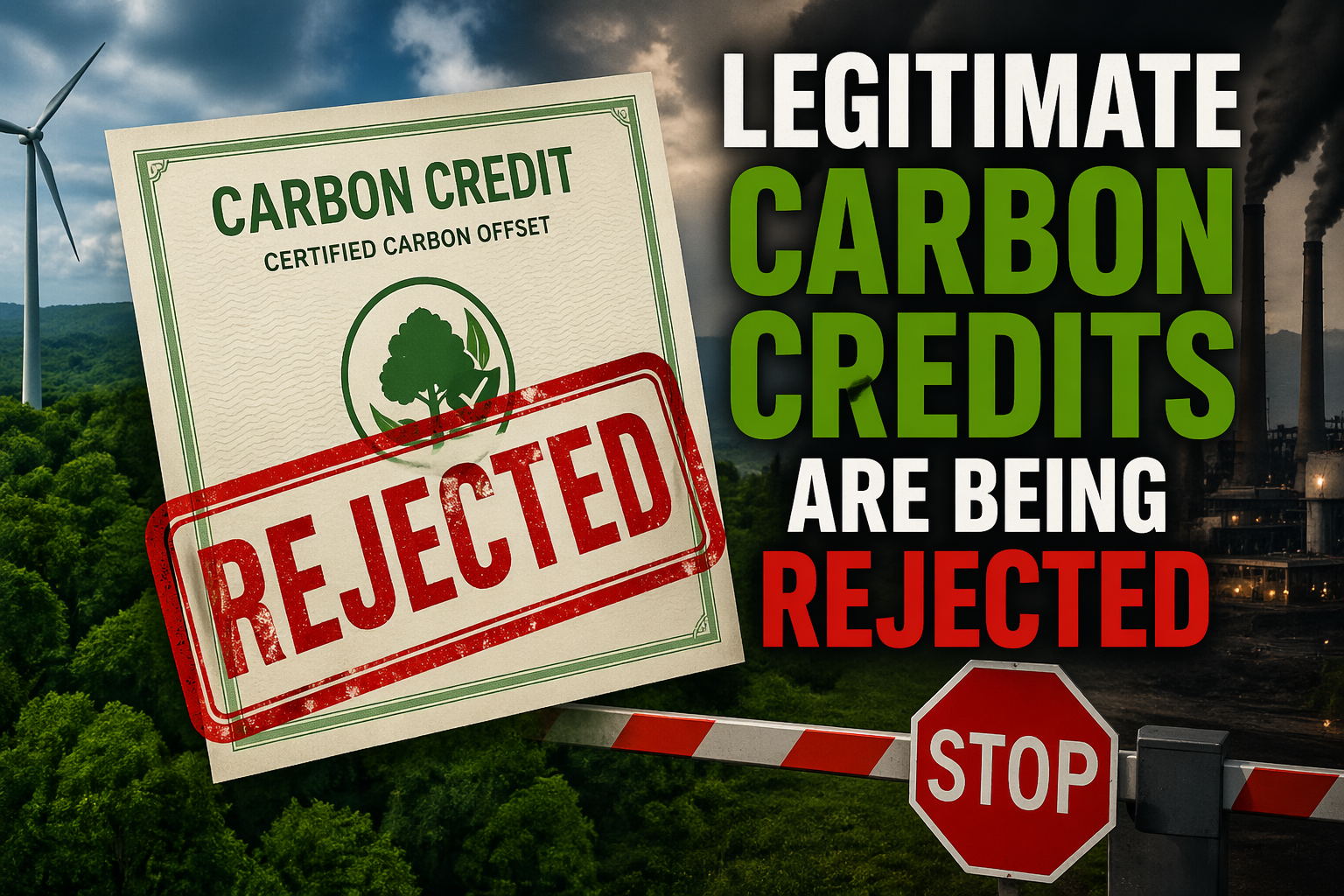
A perfect example of how confusing this has become can be seen in Zimbabwe. The country did exactly what the international community asked for by setting up a high-tech national system to track and authorise its carbon credits. In one specific case, credits from a major international standard were moved into Zimbabwe’s system and given full government approval. Logic suggests this should have made them the most valuable credits on the market. Instead, the international bodies that govern the aviation market rejected them because they didn’t like how the credits moved through a national registry.
This has created a situation where credits with no official approval are being sold with insurance, while credits that have been fully approved by the government are being rejected. Major organisations and standard-setters are mostly looking the other way because they are afraid that if they don’t keep the market moving, the whole system will collapse.
Ultimately, the market is currently running on confidence rather than a solid foundation. It is rejecting the credits that actually follow the spirit of the rules while betting on “maybe” credits backed by insurance. While this might keep the system alive for a few more months, it is essentially pushing a much larger problem down the road. The market isn’t really fixing its flaws; it is just finding more complicated ways to ignore them.

